Professional Siding Solutions: Safeguarding Your Home While Improving Its Appearance
Skilled siding contractors offer multiple benefits: they defend properties against environmental factors and enhance visual appeal. As homes age, symptoms including fractures and moisture accumulation indicate the need for immediate attention and replacement. Choosing quality materials tailored to specific climates can greatly impact lasting strength and energy savings. The importance of professional installation cannot be overstated. Understanding these aspects is vital for property owners planning a renovation. Which elements should homeowners consider before committing to this investment?
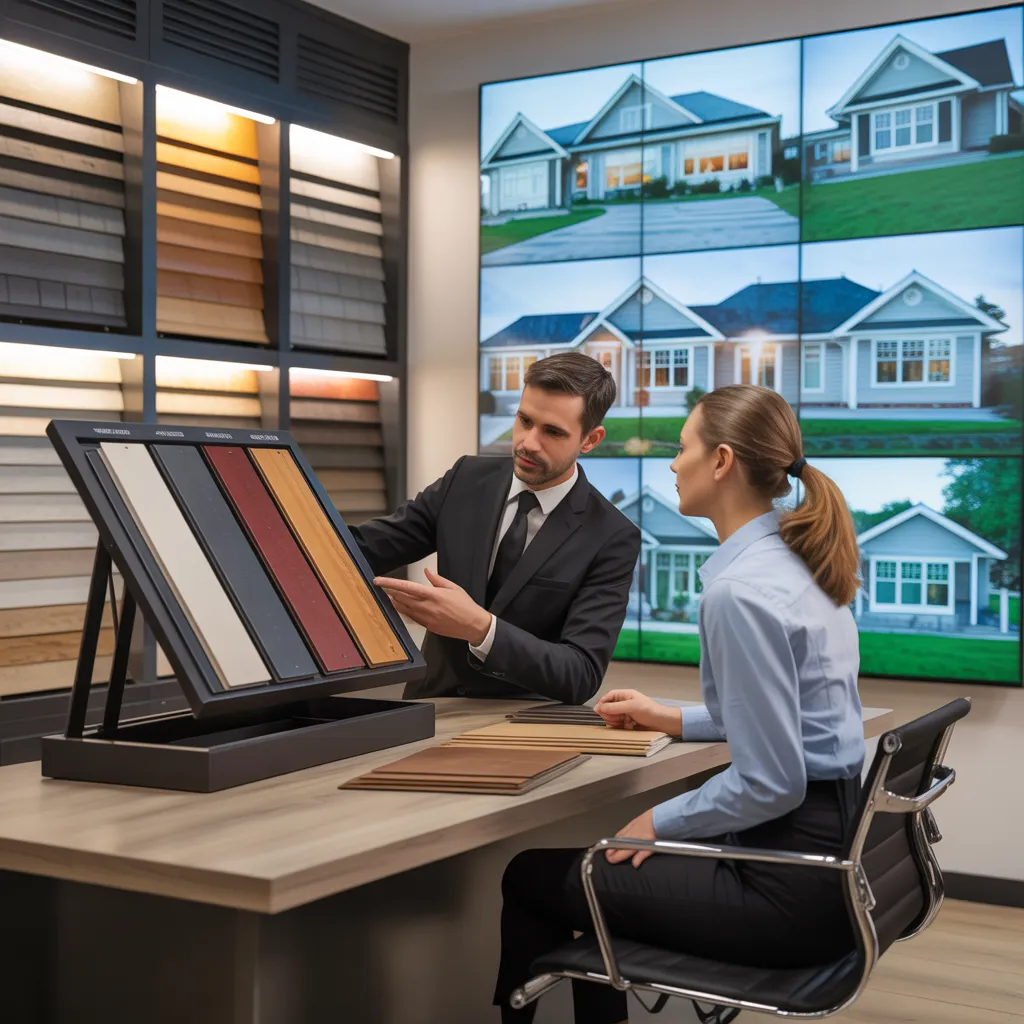
Signs It's Time to Replace Your Siding?
At what point should homeowners think about replacing their siding? There are several key signs that homeowners should watch for that suggest siding replacement is needed. Noticeable damage, including cracks, warping, or peeling paint, can undermine the exterior's structural integrity and visual appeal. In addition, moisture or mold growth may point to hidden issues that can become costly if not promptly addressed. If energy bills begin to rise unexpectedly, it may indicate insufficient insulation due to worn-out siding, prompting a reevaluation of the home's exterior. In addition, the age of the siding is a critical factor; the majority of siding materials last between 20 and 30 years. Finally, if a homeowner notices increased noise pollution from outside, it might be time to upgrade to a more soundproof siding option. Recognizing these signs early can help maintain the home's safety and aesthetic appeal while preventing future complications.
Why Quality Siding Matters for Your Home
High-quality siding serves a critical function in a home's general functionality and aesthetic. It boosts energy efficiency by providing better insulation, which can lead to lower utility bills. Furthermore, top-grade siding substantially increases curb appeal, leaving the property more eye-catching to prospective buyers and neighbors.
Benefits of Energy Efficiency
Energy efficiency is an essential aspect of modern home design, and the type of siding is a key factor in achieving it. Quality siding materials, such as insulated vinyl or engineered wood, offer exceptional thermal insulation, helping to preserve steady interior temperatures. This reduces reliance on heating and cooling systems, ultimately leading to decreased utility expenses. Additionally, properly installed siding reduces air infiltration, further improving a home's insulation. Those who choose high-quality siding materials not only boost their property's insulation value but also support environmental sustainability by reducing their environmental impact. To sum up, choosing quality siding is essential for improving residential energy performance, making it a wise decision for sustained savings and comfort.
Curb Appeal Improvement
Even though choosing siding may seem like an insignificant decision, it significantly influences a home's complete exterior appearance. Quality siding can transform an ordinary house into an inviting residence, boosting its visual charm and showcasing the owner's personal taste. Various materials, shades, and finishes enable customization, enabling homeowners to create a unique look that stands out in the neighborhood. Additionally, well-maintained siding can increase property value, establishing it as a vital financial commitment. Prospective buyers frequently place high importance on exterior aesthetics, and quality siding can be a deciding factor. Ultimately, choosing the right siding not only protects the structure but also elevates its charm, positioning it as a key factor in developing a stunning, hospitable dwelling.
Choosing Siding Materials: Key Factors to Evaluate
Selecting the appropriate siding materials is critical for enhancing a home's aesthetic appeal and durability. There are several key factors homeowners should evaluate before making this choice. First, climate plays a key role; options like vinyl or fiber cement tend to perform well in regions with harsh weather, while wood siding delivers classic character in moderate climate zones.
Furthermore, maintenance considerations differ; some options demand routine painting or staining, while others need almost no maintenance. Cost is another significant factor; selections vary from cost-effective vinyl to upscale natural wood or stone.
Energy efficiency should also be assessed, as particular materials deliver enhanced insulation, possibly decreasing heating and cooling expenses. Additionally, homeowners should consider their home's architectural style to guarantee that the siding complements its overall design. By weighing these factors, homeowners are able to choose siding materials that improve both aesthetics and durability.
Advantages of Hiring Professional Siding Installers
Selecting skilled siding professionals can considerably boost the longevity and performance of a property's exterior. These skilled contractors carry a depth of knowledge, ensuring that the project is completed to the highest standards. Their specialized knowledge allows them to handle potential obstacles, such as incorrect alignment or improper sealing, which can cause significant repair costs in the future.
In addition, skilled installers are outfitted with the proper tools and supplies, which can significantly decrease installation time and upgrade the final result. They also keep up with local construction codes and regulations, ensuring adherence and minimizing the risk of fines or rework.
Additionally, working with professional contractors often incorporates assurances on both materials and labor, giving homeowners confidence. This level of assurance, coupled with the practical and visual qualities of professional installation, emphasizes the merit of relying on qualified professionals for siding projects.
Boosting Curb Appeal With Siding Solutions
Selecting the ideal siding can substantially elevate a home's visual appeal. Color options, paired with different textures and materials, allow homeowners to craft a unique look that reflects their personal style. By taking into account these aspects, individuals can reinvent their home into a beautiful and charming space.
Color Choices Matter
In what ways can the ideal color enhance a home's exterior? The choice of siding color greatly impacts a home's curb appeal, setting the tone for its overall aesthetic. Pale hues can create the impression of a larger and more appealing space, while richer colors can suggest sophistication and class. Bold colors capture the eye, helping a home distinguish itself within the neighborhood, while understated colors deliver a refined and timeless aesthetic. Moreover, the ideal color can work in harmony with surrounding greenery and structural elements, achieving a balanced appearance. When choosing colors, homeowners ought to take into account their individual taste, regional climate, and community aesthetics. At the end of the day, deliberate color decisions not only boost a home's visual appeal but also mirror the homeowner's individuality, guaranteeing the space feels warm and well-kept.
Material And Texture Choices
Various texture and material options can significantly improve a home's exterior appearance, offering homeowners the opportunity to make a distinctive statement. Siding materials such as vinyl, wood, and fiber cement each deliver distinct visual find this resource characteristics and long-lasting performance. Low-maintenance vinyl siding, is offered in a range of textures designed to replicate natural surfaces. Wood siding, while requiring more upkeep, brings warmth and classic charm, coming in smooth or textured finishes. Fiber cement siding strikes the perfect balance, offering resilience and a variety of textures, including stucco and wood grain. Such options enable homeowners to customize their home's exterior, ultimately enhancing not just beauty but also property value. Choosing the ideal mix of materials can turn any home into an impressive showpiece.
Essential Tips for Maintaining Long-Lasting Siding Performance
Consistent maintenance is crucial for guaranteeing the longevity and performance of home siding. Property owners ought to start by washing the siding at least twice a year to remove dirt, mildew, and other debris. A light pressure washer or a soft cloth with a mild cleaning solution can successfully preserve its look without inflicting harm. Examining the siding for fractures, warping, or detached panels is necessary; addressing these issues promptly can prevent more significant problems. Moreover, residents should maintain sufficient drainage around the base to minimize water-related harm. Applying a protective sealant can enhance durability, particularly for wood siding. It is also wise to repaint or re-stain periodically, as this helps protect against the elements. Ultimately, periodic evaluations of caulking around windows and doors will maintain proper seals, lowering utility expenses and prolonging the siding's lifespan. Such preventative measures help preserve both appearance and performance.
Answers to Common Questions
How Long Does Siding Installation Typically Take?
Siding installation typically takes one to three days, based on the scope and complexity of the project. Elements such as weather conditions and the siding material selected may also impact the total time needed for completion.
What Are the Costs Associated With Siding Replacement?
Siding replacement costs vary widely, generally falling between $5,000 and $15,000 based on the materials used, labor costs, and the size of the home. Property owners need to account for extra costs, like the disposal of previous siding materials and possible repairs to the underlying structure.
Can New Siding Be Installed Over Existing Siding?
Yes, new siding can be installed over existing siding, but it's important to confirm the underlying structure is sound. Suitable insulation and moisture barriers are necessary to prevent issues including rot and mold.
What Warranty Options Are Available for Siding Products?
A variety of siding products include warranties that differ significantly, typically covering material defects for 20 to 50 years. Warranties for installation may also be offered, covering workmanship for a predetermined period, often extending from one to ten years.
What Is the Best Way to Pick a Siding Color That Matches My Home?
To select a siding color that enhances a home, homeowners should evaluate the style of the architecture, surrounding landscape, and neighboring homes. Color samples assist in visualizing choices, while referencing color wheel guides enhances the decision-making process.